HR Tech and Predictive Workforce Planning – Using Data and AI to Forecast Talent Needs Before Gaps Appear
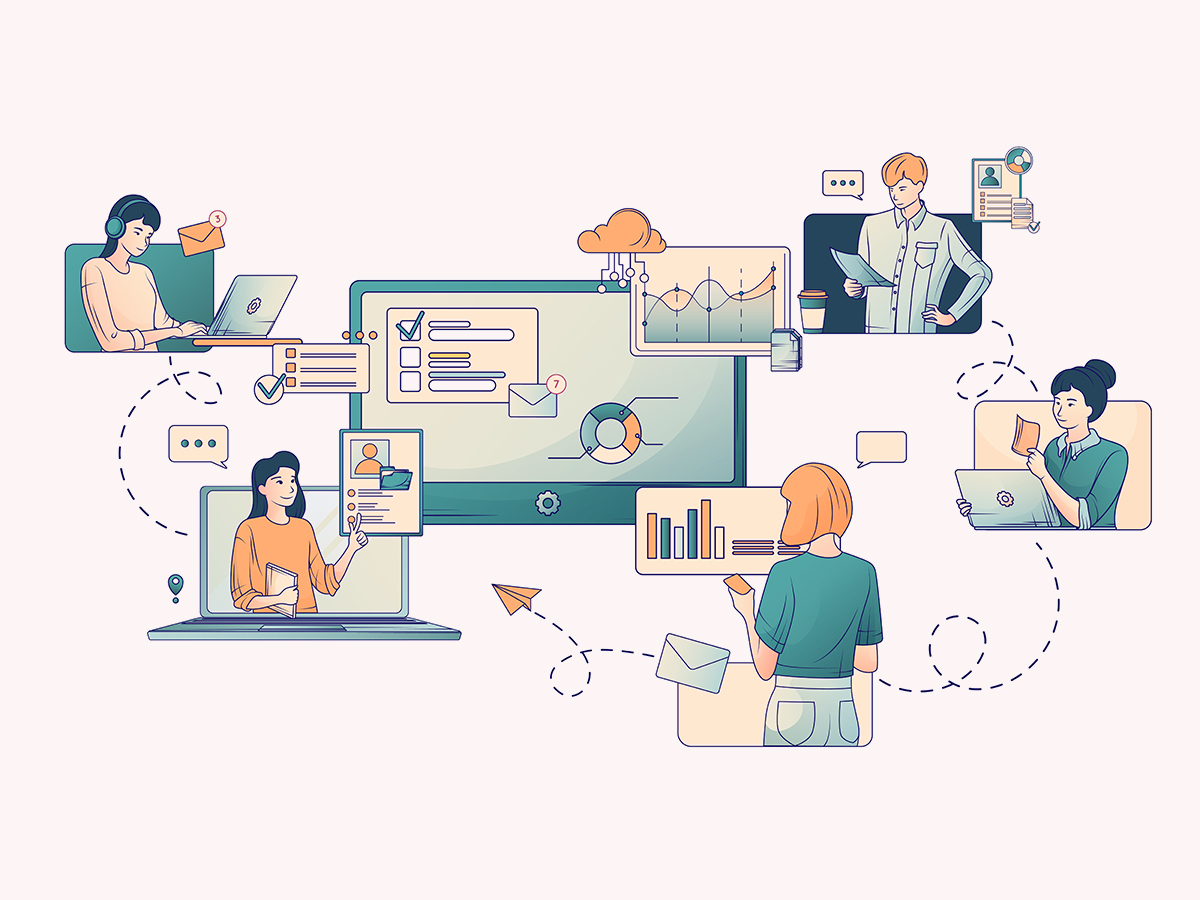
Workforce planning is about to change in a big way. Changing global markets, faster AI disruption, remote and hybrid work models, and skills that don’t last as long are all changing the way businesses compete. Jobs that were important two years ago are now being automated, improved, or redefined. At the same time, new skill categories are appearing faster than companies can hire people with them. Talent is no longer a fixed asset in this environment; it is a moving target. But a lot of companies still plan their workforces using slow, old-fashioned, and reactive methods that work better in a more stable business world.
Traditional workforce planning is based on the idea that the future will be similar to the past. Annual headcount plans, static org charts, and hiring models based on the budget only work when business changes are small. Change is happening at an ever-increasing rate today. Not years, but quarters, market conditions change. AI is always changing how jobs work. Remote work breaks down ideas about where people are. And skills become outdated faster than job descriptions can be rewritten. When planning cycles don’t keep up with what’s really going on in the business world, companies end up either overstaffed in areas that are going down or dangerously understaffed in areas that are growing.
This gap leads to a major issue: most hiring is still done in response to needs. Teams wait until performance goes down, workloads go up, or people leave before they do anything. The business need has already changed by the time a role is approved, posted, interviewed, and filled. Instead of seeing talent gaps as signals, reactive hiring sees them as emergencies. Instead of planning for future needs, it focuses on replacing people. Anticipatory workforce strategy, on the other hand, asks a different question: what skills, capacity, and structure will the business need next, not last?
Predictive workforce planning sees talent as a system that needs to be able to sense, predict, and change. Instead of reacting to shortages, companies learn to see them coming. They look at how changes in strategy affect the demand for skills, how automation changes workloads, how patterns of attrition change, and how external labor markets affect supply. This method changes workforce planning from a way to control things to a way to find your way strategically. It’s not just about filling seats anymore; it’s about making sure that people’s skills are always in line with the direction of the business.
This is when modern HR technology changes what it does. In the past, HR systems were made to keep track of things like employees, payroll, compliance, and hiring. But as the workforce becomes more unstable, HR technology is becoming more like forecasting infrastructure. It links internal data about hiring, performance, learning, engagement, and finances with outside signals about the labor market, skills trends, and changes in the market. HR platforms are starting to model what will happen instead of just telling you what happened. They change from systems of record to systems of intelligence.
When HR technology helps make predictions, workforce planning is no longer a one-time event. Before making decisions, leaders can pretend that their business is growing, shrinking, automating, or moving to a new location. They can find new skill gaps early, change how they invest in learning ahead of time, and use talent with care instead of urgency. Workforce planning is no longer a yearly task; it is now a skill that is built into the way the business works.
In the end, predictive workforce planning gives you an edge over your competitors. Companies that plan for their talent needs move faster, spend less, and lower their risk. They don’t have to rush to hire people at the last minute, lose money on employees who leave, or make investments in skills that don’t match their needs. More importantly, they don’t see talent as a limit, but as a strategic asset that changes as the business does. In a world where things are always changing, the companies that win won’t be the ones that react the fastest; they’ll be the ones that see problems with their workers before they happen.
Catch more HRTech Insights: HRTech Interview with Sandra Moran, Chief Marketing Officer of Schoox
The Problems with Old-Fashioned Workforce Planning: Annual Headcount Models vs. Real-Time Talent Demand
For a long time, counting the number of people in the workforce has been the main focus of workforce planning. Leaders guess how many people each department will need next year, set budgets, and make plans that can’t be changed. That way of doing things worked when markets were stable and roles changed slowly. But these days, the need for talent changes all the time. Almost every month, new products, AI adoption, changes in regulations, and market volatility change the needs of the workforce. Annual planning cycles just can’t keep up.
Businesses today need to change their capacity all the time, not just once a year. When plans for the workforce are put on hold, teams end up working on things that were important yesterday. This leads to underuse in areas that are losing value and dangerous shortages in areas that are growing. Companies are always reacting late instead of getting ready early if they don’t have dynamic sensing. This is one of the first problems with traditional planning that modern HR tech is meant to fix.
-
Manual Spreadsheets and Static Assumptions
Another big problem is that it relies on spreadsheets and broken reporting tools. A lot of workforce teams still get their data from HRIS, ATS, and finance systems by hand and then put it all together based on what they think about attrition, productivity, and growth. These assumptions often stay the same for quarters, even when things change in the real world of business.
When things get more complicated, static models break. They can’t pick up signals from learning platforms, engagement tools, performance systems, or job markets outside of their own. They also don’t update on their own when new data comes in. On the other hand, advanced HRtech platforms are designed to constantly integrate data, making planning a live system instead of a static file. If this doesn’t happen, workforce planning will be more about managing than smart thinking.
-
Lag Between Business Change and Hiring Response
Time lag is one of the most expensive problems that come up when planning a workforce. Business leaders change their plans, introduce new products, enter new markets, or automate tasks, but hiring systems don’t respond for weeks or months. The mix of skills needed has already changed by the time requisitions are approved, and candidates are hired.
This lag causes problems for the whole company. Sales teams don’t meet their goals because they don’t have enough people. Engineering pushes back on launches because there aren’t enough skilled workers. Operations have trouble being productive because changes to staffing come too late. Traditional planning sees hiring as a downstream task, but modern HRtech sees it as an anticipatory skill that is directly linked to business signals. The quicker an organization can sense change, the quicker it can move people around.
Why Can’t Historical Reporting Help Us Figure Out What Talent We Need In The Future?
Most workforce plans are based on metrics from the past, like last year’s attrition, last quarter’s hiring speed, and historical productivity benchmarks. They help learn about the past, but they can be dangerous when used to guess what will happen in the future. Markets don’t move in straight lines anymore. AI, automation, remote work, and skills disruption create changes that don’t follow a straight line, and historical data can’t explain them all.
To plan, you need models that show how strategy changes skills, how technology changes roles, and how the job market changes. Old-fashioned planning systems tell you what happened. Advanced HRtech platforms make predictions about what might happen next. To keep workforce planning useful in changing environments, we need to move from descriptive to predictive intelligence.
-
The Risk of Planning Based on Roles Instead of Skills
Planning based on roles is another structural flaw. Companies plan their budgets around job titles instead of skills. But job titles don’t show what really makes people do well: their skills, capacity, and ability to adapt. Two people with the same job title may bring very different value to the table based on how well they can work with others, think, and use technology.
Organizations hire too many people for old jobs and don’t spend enough on new skills when they only think about roles when they plan. It is hard to fit AI engineering, data governance, automation design, and hybrid leadership skills into old job frameworks. HRtech has changed the way we think about workforce planning from “how many people” to “what skills.” Instead of just adding more people, it finds groups of skills, adjacent skills, and chances to learn new ones.
How HR Tech Intelligence is Changing Workforce Planning: From Tracking to Sensing?
Old-fashioned systems keep track of workers, including who they are, where they sit, and how much they make. Sensing is what predictive planning needs to work. Workforce sensing means always being aware of changes in demand, supply, performance, engagement, and outside labor conditions. It changes workforce planning from a reporting tool to an early warning system.
Modern HRtech platforms take in information from hiring pipelines, learning systems, project tools, productivity metrics, and market data. The system automatically finds new risks and opportunities instead of waiting for managers to sound the alarm. Workforce planning is no longer reactive; it is now proactive.
-
HR Tech Is Becoming an Intelligence Layer
In the past, HR platforms were used to keep records. They kept data but didn’t often make sense of it. HRtech is becoming an intelligence layer that links business strategy with talent execution. AI models predict turnover, create growth scenarios, and show how skills are needed across the company.
This change makes HR more than just an administrative job; it makes it a strategic one. Leaders don’t ask, “How many people do we have?” anymore. They want to know, “What skills will we need, and when?” With smart HR platforms, planning for the workforce is directly linked to product roadmaps, revenue goals, and models of operational capacity.
-
Connecting Business Strategy With Talent Forecasting
Workforce planning only works if it is in line with the company’s goals. If the business wants to move into new markets, automate tasks, or release digital products, the workers need to change as well. When planning the old way, business and talent talks are separate. Predictive planning brings them together.
Advanced HRtech combines financial plans, operational forecasts, and workforce data into one model. Growth assumptions turn into skill demand. Changes in roles happen because of automation projects. Plans for entering a market become models of geographic capacity. Workforce planning is no longer just a support activity; it is now part of strategy execution.
-
Continuous Planning Instead of Quarterly Reviews
Workforce reviews every three or twelve months are too slow for today’s workplaces. The supply and demand for talent are always changing. Skills lose value. Levels of engagement change. The risks of attrition go up and down. It’s risky to wait months to change plans.
With smart HRtech, planning for the workforce is always going on. As new data comes in, models update in real time. Leaders can try out different situations every month, week, or even day. Signals, not schedules, cause decisions about hiring, retraining, moving people around, and moving people around. This makes workforce planning a part of day-to-day operations instead of just a calendar event.
-
Turning Workforce Planning Into a Living System
The most important change is in how we think. Planning the workforce is no longer just a piece of paper; it is now a living system. It detects change, predicts outcomes, organizes actions, and learns from what happens. Every time you hire someone, invest in training, or move someone to a new job, the model gets better at making predictions.
This loop is possible because of modern HRtech. Prediction leads to action. Data comes from actions. Data makes predictions better. Organizations build up workforce intelligence over time, which becomes more valuable. They don’t have to fight over talent; instead, they make adaptability a core skill.
The Strategic Shift: Moving from Control to Navigation
Control is the main focus of traditional workforce planning. This includes budgets, approvals, compliance, and reporting. Predictive planning is like navigation: it means knowing where you are going, changing your course, and keeping up with how the business is moving. This change makes HR, leadership, and technology play different roles.
Leaders stop asking, “How do we fill roles?” and start asking, “How do we shape capability?” when they use advanced HRtech. Planning for the workforce is less about filling seats and more about managing skills, capacity, and performance over time.
Why This Redefinition Is Important Right Now?
Markets are quicker. Skills don’t last as long. AI is constantly changing the way we work. Remote and hybrid models break down ideas about where people are located. In this situation, static planning fails quietly but costs a lot. Companies either build too much in the wrong places or don’t hire enough people to help them grow.
Companies can see into the future by using HRtech intelligence to change the way they plan their workforces. They lower the stress of hiring, increase the return on investment of reskilling, and make sure that talent is in line with strategy before gaps turn into crises. Planning for the workforce is no longer a bureaucratic task; it’s a strategic asset.
-
From Administrative HR to Strategic Workforce Intelligence
The shift from traditional planning to predictive planning is a bigger change in HR itself. HR is no longer just about managing people; it’s about managing capabilities on a large scale. The systems that make this change possible are no longer just HR systems; they are also enterprise intelligence systems.
As HRtech gets better, workforce planning will become more like financial planning, operational planning, and strategic forecasting. Talent will be treated with the same care as capital and infrastructure. And businesses that accept this change won’t just react to it; they’ll be ready for it.
The limitations of conventional workforce planning have transitioned from theoretical concepts to tangible operational risks. In environments that are unstable and driven by AI, static models, slow responses, and role-based assumptions won’t work. With HRtech intelligence, workforce planning becomes sensing, forecasting, and orchestration.
Companies that win in the next era of work won’t just hire people faster. They will be able to see talent needs sooner, keep skills up to date, and run workforce planning as a living, smart system that changes as the business does.
-
Data Architecture for HR Tech That Can Predict
Predictive workforce planning only works if the data architecture that supports it is strong, connected, and always up to date. Even the most advanced AI models give shallow or wrong insights if they don’t have the right foundation. Modern HRtech is more than just a way to keep track of records. It’s a way to gather, combine, manage, and use data across the whole business.
Bringing together HRIS, ATS, LMS, performance, and financial data
Most companies keep their workforce data in separate places. Core employee records are kept in HRIS systems, recruiting data is kept in ATS tools, learning activity is kept in LMS systems, performance metrics are tracked in other systems, and finance keeps track of workforce costs. Each system answers one question, but none of them give a full picture of the workforce.
For predictive planning to work, all of these layers need to be connected. When HRtech platforms link hiring pipelines, skills development, performance outcomes, and cost structures, leaders can see how well the supply of talent matches the demand for it. For instance, the speed of hiring should be looked at along with the ability to learn. There should be a connection between performance trends and the risk of attrition. Not just the number of employees, but also their skills and abilities should be taken into account when making financial plans.
HR stops reacting to reports that are broken up and starts working from a single source of truth about the workforce when these systems are combined.
External Signals: Job Markets, Skills Trends, and Attrition Benchmarks
Data from within the company is not enough. Wage inflation, how competitors hire, new skills, geographic mobility, and industry attrition norms are all things that affect talent markets. Traditional workforce planning either ignores these signals or only looks at them once a year by hand.
Modern HRtech architectures take in data about outside workers in real time. This includes salary benchmarks for different markets, trends in the demand for skills, changes in the supply of workers in different areas, and patterns of attrition at the sector level. When you add outside information to your internal workforce data, planning becomes more predictive than reactive.
For instance, if there is a sudden rise in the need for AI engineers in a certain area, the system can predict that more people will leave their jobs before they actually do. Skill demand models can change before teams start to have productivity gaps if a new technology trend comes up. External signals change HR from an internal function into a system that knows what’s going on in the market.
-
Building a Unified Workforce Data Layer
The workforce data layer is at the center of predictive planning. This is not just a database; it is the basis for an architecture that normalizes, connects, and controls workforce information across systems. The data layer becomes the shared intelligence backbone for all workforce decisions, rather than each platform having its own data logic.
A modern HRtech data layer puts together information about employees, their skills, roles, projects, locations, performance, learning, and costs into a single model. It makes sure that identities are the same across systems, connects skills to work output, and connects workforce capacity to business goals. This makes it possible for analytics, forecasting, and orchestration engines to work the same way throughout the company.
Without this unified layer, AI models are still just separate experiments. With it, planning the workforce becomes a skill that the whole company has, not just HR.
-
Pipelines in Real Time vs. Batch Reporting
Batch processes are used for traditional HR reporting. Every night, week, or month, the data is updated, and reports tell you what has already happened. This delay costs a lot in places where things change quickly. The situation has already changed by the time leaders see the numbers.
Real-time or near-real-time data pipelines are what make predictive HRtech work. Signals from recruiting, learning, engagement, productivity, and operations are always coming into planning models. This lets workforce forecasts change in real time as things change.
For instance, if demand for a project goes up, capacity models change right away. If engagement scores go down in an important team, the risk of attrition is recalculated right away. HR uses live intelligence systems instead of static dashboards. Real-time architecture changes workforce planning from reporting regularly to sensing all the time.
-
Data Quality, Management, and Interoperability
The data that goes into predictive systems is what makes them work. Bad data quality, inconsistent definitions, and missing context all add noise and bias to forecasts. That’s why governance is such an important part of HRtech architecture.
Data governance makes sure that skill taxonomies are the same everywhere, that roles are clearly defined, that privacy is protected, and that rules are followed. Interoperability makes sure that systems can share data without losing its meaning. Access control keeps private employee data safe while still allowing analytics.
When governance is built into the architecture, workforce intelligence can be trusted. Leaders stop asking questions about the numbers and start doing something about them. Predictive planning only works well when the data is correct, meaningful, and can be used by everyone in the company.
AI Models for Predicting Talent
Intelligence can come out once the data architecture is set up. AI models turn data about the workforce into foresight by predicting needs, spotting risks, and suggesting actions. AI doesn’t replace human judgment in modern HRtech; it adds speed, scale, and pattern recognition to it.
Demand Forecasting for Roles and Skills
Demand forecasting is the first step in intelligence. AI models don’t plan based on past hiring. Instead, they use business growth, product roadmaps, market expansion, and automation projects to guess what roles and skills will be needed in the future.
Advanced HRtech systems link strategy data with workforce data to show how changes in revenue, technology, or location affect the need for talent. The model predicts the engineering, support, and go-to-market skills that a company will need if it launches a new platform. The model says that as automation grows, the need for some jobs will go down while the need for others will go up.
This changes planning from counting people to predicting what they can do.
-
Attrition Prediction and Flight-Risk Modeling
One of the best ways to use AI in HRtech is to figure out when people will leave before they do. Traditional HR waits for people to quit. Predictive models look at things like engagement, performance, learning activity, pay, manager behavior, and market signals to figure out how likely someone is to leave.
These models show not only where talent has already left, but also where it is likely to leave. Leaders can step in early with reskilling, pay raises, job changes, or changes in leadership. Instead of rushing to find new people, organizations stabilize capability ahead of time.
Instead of responding to a crisis, attrition prediction makes workforce planning into risk management.
-
Skills Gap Analysis Using ML and Graph Models
Job descriptions don’t keep up with how quickly work changes these days. Skills come and go all the time. Role-based planning can’t keep up. This is why HRtech platforms use machine learning and graph models to show how skills are spread out among employees, projects, and learning paths.
Graph models show how skills are related, grouped, and moved. The system finds workers with skills that are similar to those needed for cloud security and can quickly retrain them if demand for cloud security goes up. Gap analysis shows where capability gaps will show up before performance drops if new technologies come out.
This lets HR spend money on retraining instead of hiring too many people, which makes the company more flexible and saves money.
-
Capacity Modeling Across Teams and Regions
It’s not just about skills when it comes to workforce planning; it’s also about capacity. How much work can groups do? How does geography affect how much work gets done? How do time zones, working from home, and rules in different areas affect execution?
Predictive HRtech platforms model how much work can be done in different locations and functions. They mimic things like workload, staffing levels, productivity trends, and limits on collaboration. Leaders can try out things like moving into new markets, combining teams, or automating workflows.
Capacity modeling makes sure that decisions about the workforce are based on facts, not gut feelings.
-
Moving From Descriptive to Prescriptive Intelligence
Most HR analytics look at the past. Prescriptive intelligence, or advice on what to do next, is needed for predictive planning. Forecasting is just one thing that modern HRtech does. It suggests things like hiring, retraining, moving people around, or redesigning roles based on what the model says.
For instance, if the risk of attrition goes up in a team with a lot of impact, the system might suggest specific actions to keep people on the team. If there are gaps in skills, it might lead to investments in learning. If capacity is limited, it might suggest moving people or things around or automating things.
Prescriptive intelligence changes HR from a reporting function to a partner in execution.
The Architecture–Intelligence Feedback Loop
AI models and data architecture work together to make each other stronger. Data that is clean and connected makes models more accurate. Better models make better choices, which leads to better data over time. This makes an intelligence loop that builds on itself inside HRtech systems.
As companies put money into both architecture and models, workforce planning goes from being a planning exercise to being part of the operational infrastructure. The system learns all the time, changes with the business, and puts the right people in the right jobs in almost real time.
Why Predictive HR Tech Is a Valuable Business Tool?
The best thing about predictive planning is that it lets you see what’s coming. Organizations that use static planning find talent problems after damage has been done. Companies that use HRtech intelligence find risks early, keep skills up to date, and get people on the same page with the business.
In markets that change quickly, being able to adapt becomes a competitive edge. Companies can move faster than labor markets, invest smarter than their competitors, and keep their skills sharp before a disruption happens with predictive systems.
-
From Data to Workforce Intelligence
Architecture is the first step in predictive workforce planning, and AI is the last step. Integration links systems together. External signals add to the context. Unified data layers make things consistent. Pipelines that work in real time are fast. Governance builds trust. AI models turn data into predictions.
All of these things work together to make HRtech the company’s nervous system, constantly sensing, predicting, and managing talent.
In the next generation of work, companies won’t ask if they have enough employees. They will ask if they can see talent needs before they happen. The answer will depend on how well their HR technology is built to use predictive intelligence.
-
Scenario Planning and Simulation in HR Technology
When companies can look into the future before it happens, predictive workforce planning becomes very useful. Leaders don’t wait for change to happen; they test decisions ahead of time. This is where scenario planning and simulation turn modern HRtech from a reporting tool into a tool for making strategic decisions. HR leaders can figure out what will happen before they spend money by modeling different paths, such as growth, disruption, automation, or contraction.
-
From Fixed Plans to Moving Simulations
Traditional workforce planning makes plans that don’t change, like a hiring goal, a budget, and a number of employees. These plans are based on the idea that things will stay the same. Things are not the same. Markets change, technology gets better, and skills go out of date faster than yearly cycles can keep up with.
Scenario planning in HRtech replaces static planning with dynamic simulation. Leaders can make different futures and see how the workers react. What will happen if sales go up by 20%? What if automation gets rid of whole groups of tasks? What if a region suddenly loses people? Simulation shows results across skills, costs, productivity, and risk instead of guessing.*
This change lets workforce planning move at the same speed as business instead of the speed of spreadsheets.
What-If Simulations for Hiring, Reskilling, and Redeployment?
The “what-if” engine is the most important part of the simulation. Companies can try out actions before they actually do them with predictive HRtech platforms. Leaders can pretend to hire more engineers, retrain customer service teams, move talent around to different areas, or stop hiring altogether.
For instance, a business might pretend to replace hiring with moving people around within the company. The model shows how it affects cost, productivity, time to capability, and retention. Another situation could look at speeding up learning instead of hiring more people. HR can look at results in a more objective way than an emotional way.
These simulations change how we plan for our workforce from relying on opinions to relying on facts.
-
Modeling Growth, Contraction, Automation, and Geographic Shifts
Companies are always going through structural changes, like moving into new markets, cutting back during downturns, automating workflows, and moving teams to different locations. These changes cause chaos in the workforce if they aren’t modeled.
Scenario modeling in HRtech helps leaders see how different kinds of changes affect the supply and demand for talent. Growth simulations show where skills will get stuck. Contraction scenarios show where losing capabilities puts operations at risk. Automation models show which jobs change instead of going away. Geographic simulations take into account differences in productivity, labor laws, and the availability of talent in different areas.
HR goes from reactive staffing to strategic capacity planning by putting these forces together in a model.
-
Workforce Elasticity and Capacity Stress Testing
Elasticity is how well a business can handle change without falling apart. Stress testing is a part of scenario planning that helps people understand their limits. Predictive HRtech systems simulate spikes in demand, workload, or turnover to see how the workforce reacts.
For example, if customer demand doubles in a quarter, capacity models can guess how teams will react. If a critical skill pool loses 15% of its talent, simulations show how it will affect operations. Stress testing shows weak spots before they break.
This ability makes workforce planning more like risk engineering than just staffing management.
-
Linking Financial Planning With Talent Planning
Decisions about the workforce are money decisions. All of these things—hiring, retraining, moving people around, and automating—change the costs. In traditional planning, finance and HR are two separate things. HRtech connects them through scenario planning.
When leaders pretend to be workers, financial models update at the same time. These include payroll, training costs, productivity returns, and opportunity costs. HR scenarios show how the budget will be affected right away if the business changes its strategy. If finance changes its forecasts, simulations of the workforce’s capacity change on their own.
This integration makes sure that talent planning helps the business do better instead of getting in the way of it.
HR Tech: More Than Just a System of Record for Decisions
In the past, HR systems kept track of data. Modern HRtech makes decisions like they are real. Leaders don’t ask “What happened?” They ask, “What happens if?” The platform becomes a place to play with workforce strategy.
Decision simulation makes it easier for leaders to agree on things. Executives look at the effects of their choices, compare their options, and make decisions with confidence. HR goes from being an administrative partner to a strategic navigator.
Scenario planning isn’t just about data analysis. It is how businesses plan for the future.
-
Orchestrating Action From Prediction
Making predictions without following through creates insight theater. When forecasts automatically start action, that’s when they really matter. The last step in the evolution of workforce intelligence is to turn foresight into operational workflows. Modern HRtech doesn’t just tell leaders what will happen; it also plans what should happen next.
-
Turning Forecasts Into Hiring, Reskilling, and Mobility Workflows
Once AI models predict demand, risk, or gaps, orchestration engines start workflows. Recruiting pipelines start when demand goes up. Learning programs start when there are skill gaps. If capacity changes, internal mobility moves talent to new teams.
Advanced HRtech platforms put intelligence into the layers that carry out tasks. A predicted shortage turns into a requisition workflow. A need for new skills turns into an LMS campaign. A chance to redeploy becomes a manager’s action plan. This automation gets rid of the time between thinking and doing.
-
Automated Triggers for Managers, Recruiters, and L&D Teams
Recruiters, managers, HR partners, and learning teams are all involved in workforce execution. Orchestration makes sure they all move at the same time.
Based on model outcomes, Predictive HRtech sends automated triggers. Recruiters get lists of people they want to hire in order of importance. Managers get warnings about the risk of losing employees. Learning teams get signals about new skill investments that are coming up. Mobility platforms automatically show candidates who are ready to be moved.
Instead of waiting for meetings, information flows constantly from intelligence to people.
-
Aligning Prediction With Execution Layers
A lot of companies do analytics and operations separately. Dashboards show forecasts, and tools show execution. This separation makes the impact slower.
Today’s HRtech architectures combine prediction with execution layers like ATS, LMS, HRIS, and workflow engines. Systems react right away when models change. Hiring pipelines, learning modules, pay actions, and workforce allocations all change on their own.
This alignment makes HR planning a living system instead of just a way to report.
-
Closing the Loop Between Insight and Action
Execution makes new data. What you do today will affect what you think will happen tomorrow. Predictive HRtech closes this loop by putting the results of actions back into models.
Models learn faster ways to do things if a reskilling program works. If hiring delays continue, forecasts change their timelines. If retention efforts don’t work, risk models are changed. The system keeps getting better.
This feedback loop makes sure that workforce intelligence gets smarter with every choice.
-
Making Workforce Planning Operational, Not Theoretical
A lot of workforce plans don’t work because they stay ideas. Orchestration makes them work. Planning isn’t just something that happens every three months; it’s now part of daily work.
With HRtech, workforce planning is always going on: it senses change, simulates futures, predicts impact, and automatically plans action. HR isn’t just about managing people anymore; it’s also about running talent systems.
This is how companies make themselves more adaptable instead of having to look for it.
The Shift From Prediction to Execution Infrastructure
Scenario planning makes things clear. Orchestration makes things move. They work together to turn HR from an observer into an operator.
With modern HRtech, businesses can test out different futures and plan their responses before something goes wrong. Leaders don’t wait for talent crises anymore; they plan, practice, and act ahead of time.
The workforce becomes flexible, programmable, and strong.
What Scenario Planning and Orchestration Mean for the Future of HR?
When markets are unstable, how quickly you can adjust is more important than how big you are. Companies that stick to static workforce plans fall behind. Companies that include simulation and orchestration in their HRtech have a structural edge.
They expect changes in skills. They test strategies in a safe way. They connect money with talent. They move people around the business in a smart way. And they do it without any problems.
Scenario planning makes HR a strategist. Orchestration makes HR an operator.
From Insight Engines to Workforce Control Systems
Reporting is not the future of workforce planning. It is power. Predictive models can tell when something changes. Simulations practice how to respond. Orchestration starts execution. Feedback makes you smarter.
When HRtech is at the center, workforce planning becomes an operating system instead of a function. Companies stop reacting to labor markets and start shaping them from the inside out.
Companies that can see, simulate, and move all at once will win in a world where skills fade faster than strategy cycles. Not only knowing the future of work, but also running it is what modern HRtech promises with scenario planning and orchestration.
Governance and Risk Management in Predictive HR Tech
When companies start using predictive intelligence for workforce planning, governance becomes just as important as innovation. When AI systems affect hiring, promotions, mobility, and retention, the stakes are no longer just operational; they are also ethical, legal, and strategic. Predictive HRtech needs to find a balance between speed and responsibility, automation and accountability, and intelligence and trust. Even the most advanced models can be risky instead of useful if they aren’t well-governed.
-
AI Workforce Models: Bias, Fairness, and Explainability
AI models learn from past data, and history is often unfair. If not controlled, predictive systems can make bias worse instead of getting rid of it. That’s why every predictive workflow needs to be fair.
More and more modern HRtech platforms have tools that can find bias by testing models for different effects on gender, geography, age, and other factors. These systems keep track of how predictions affect hiring, development, and mobility outcomes over time. When things go wrong, governance layers step in.
Explainability is equally important. Leaders and workers need to know why a system suggests a candidate, warns of attrition risk, or puts reskilling at the top of the list. People lose trust when they make decisions in a black box. With transparent HRtech architectures, people can see the signals behind predictions, which lets them check the logic instead of just accepting the results. People have to trust the reasoning behind predictive intelligence for it to work.
-
Compliance Across Regions and Labor Laws
Planning the workforce is done on a global scale, while rules are made on a local level. Different countries have different rules about how to treat employees, how to use data, and what rights employees have. Organizations can fail to follow the rules if they use predictive systems that don’t take this complexity into account.
Global HRtech platforms put regional compliance logic right into models and workflows. Hiring predictions must follow the laws about hiring in each area. Visa rules and union agreements must be taken into account when planning for mobility. Data use must follow privacy rules like GDPR and new regional standards that are being developed.
Governance doesn’t treat compliance as a separate list of things to do; instead, it includes it in intelligence itself. The system automatically checks for legality and risk when it predicts action. This method makes sure that the workforce strategy can be safely used in other countries.
-
Privacy and Ethical Use of Employee Data
It takes a lot of data to do predictive workforce planning, like performance signals, learning behavior, collaboration patterns, and even engagement metrics. Without ethical protections, businesses could go from gaining knowledge to invading privacy.
Responsible HRtech platforms set clear rules about what data can be collected, how it can be used, and who can see it. Privacy-by-design principles make sure that employee information is kept private, safe, and only used for its intended purpose. Governance frameworks make it clear that predictions help development, not surveillance.
Ethical use also means not mixing help with punishment. The goal of a system that predicts flight risk is to keep and grow the business, not to punish employees. Predictive intelligence should help workers, not tell them what to do. When employees feel safe using technology instead of being exposed to it, trust becomes a competitive advantage.
-
Human Oversight in Predictive Decision-Making
Automation speeds things up, but people are still responsible. When machines give advice, and people make decisions, predictive workforce planning works best. Governance structures make sure that AI doesn’t take the place of judgment, but rather improves it.
Human-in-the-loop controls are part of advanced HRtech architectures. Leaders regularly look over important decisions, go against suggestions, and check how models are acting. People, not machines, review sensitive outcomes like promotions, layoffs, or redeployment before they happen.
This lack of attention brings things back into balance. The system gives speed and scale, while people give ethics, empathy, and the ability to think in context. Governance makes sure that predictive intelligence is a co-pilot instead of an autopilot.
-
Balancing Automation With Accountability
Automation gives predictions power, but automation without responsibility is risky for business. Every action that a model makes must have an owner.
Predictive HRtech platforms give people tasks to do in different workflows. Recruiting leaders are responsible for the outcome if there is a hiring surge. Learning teams are responsible for starting reskilling. If mobility recommendations don’t work, managers look at the effects.
Automation goes quickly, but responsibility keeps it safe. Governance frameworks set up escalation paths, audit trails, and performance metrics that are linked to predictive execution. This makes sure that companies can move faster without losing control.
Why Governance Is Strategic, Not Administrative?
People often think of governance as a restriction, but in predictive systems, it helps things grow. Companies that make sure that fairness, compliance, privacy, and accountability are part of their HRtech grow faster because they lower friction, risk, and employee resistance.
Leaders must trust the system, employees must accept it, and regulators must be okay with it for predictive workforce planning to work. Governance makes intelligence into infrastructure.
-
Business Impact — From Headcount Planning to Workforce Strategy
Predictive workforce planning changes what HR does in a business. HR stops managing positions and starts managing capability. It doesn’t wait for shortages to happen; it plans for them. HRtech turns workforce management into workforce strategy by adding predictive intelligence to operations.
-
Faster Response to Talent Shortages
Traditional planning finds gaps after the damage is done. Predictive systems find shortages before performance goes down. With HRtech, companies can predict demand based on skills, not just roles. The system shows future bottlenecks months in advance when growth speeds up. Recruiting pipelines start working sooner. Investments in learning start before urgency. Mobility paths come up on their own.
Speed becomes a strategic advantage. Companies don’t fight over talent anymore; they get ready for it.
-
Better Utilization of Internal Skills
Because skills are hard to see, most businesses don’t use their current talent enough. That changes with predictive intelligence.
Modern HRtech platforms make skill graphs that show how employees, projects, learning history, and performance are all connected. Companies should try internal redeployment first instead of hiring from outside. People move to places where they can add the most value, not just where they are on the org chart.
This change boosts productivity, retention, and engagement all at the same time. Instead of adding people, workforce planning becomes about activating capability.
-
Reduced Hiring Costs and Attrition Risk
Hiring people on the spot is expensive. It raises the cost of hiring, makes it take longer to get productive, and raises the risk of misalignment.
Predictive HRtech cuts down on these costs by figuring out when to hire, who to hire, and when to retrain instead. Attrition models show managers when employees are likely to leave, so they can step in before they do. Instead of making guesses about budgets, workforce simulations find the best balance between cost and capacity.
Not only are there fewer hires, but they are also smarter hires that fit with the strategy, skills, and timing.
Strategic Alignment Between the Growth of a Business and the Size of Its Workforce
When the workforce can’t keep up with the company’s goals, business strategies fail. This gap is filled by predictive intelligence.
HRtech simulations show how changes will affect the workforce right away when executives plan to grow, automate, or enter new markets. Leaders know which skills will limit growth and which investments will help the business grow. Workforce planning is now a part of strategic planning instead of a separate task. This alignment makes sure that talent helps growth instead of holding it back.
Turning HR From Reactive Support to Strategic Operator
In the past, HR responded to requests like “hire faster,” “reduce turnover,” and “fill roles.” Predictive workforce planning turns the model on its head.
HR leads with insight when HRtech has intelligence built in. It predicts, models, organizes, and controls the strategy for the workforce. HR is no longer a staffing service desk; it’s now an operator of talent systems. This change moves HR from being a partner in administration to being a strategic engine of execution.
-
From Roles to Skills
The most important effect of predictive planning is on philosophy. Companies stop thinking about job titles and start thinking about skills, capacity, and flexibility.
Predictive HRtech models how well a business can do across time, geography, and demand. Workforce planning is no longer just about keeping the same number of employees; it’s also about keeping a competitive edge through people. This change affects how leaders talk to each other. Talent is no longer a cost, but an asset.
-
Making Workforce Intelligence work on a large scale
Predictive systems really show their worth when used on a large scale. When forecasting, simulation, execution, and governance all work together, companies can keep optimizing their workforces.
Today’s HRtech platforms combine sensing, predicting, orchestrating, and holding people accountable into one operating layer. Workforce planning goes from planning every three months to planning every day. This adapts a normal part of life instead of a problem.
Why Workforce Strategy Defines Competitive Advantage?
Hiring cycles are slower than markets change. Skills go out of date faster than yearly plans. Companies that use static workforce models fall behind.
Companies that use predictive intelligence in their HRtech have a structural advantage: they can see changes coming, test responses safely, act faster, and manage responsibly. Planning for the workforce is no longer a chore; it’s a strategic skill.
In the future, companies won’t just get an edge over their competitors by having better products or more money. They’ll also get an edge by how smartly they sense, shape, and grow their workforce.
From Management to Growth
When governance and impact work together, predictive workforce planning works. Being fair builds trust. Compliance makes it possible to grow. Privacy keeps people safe. Oversight keeps judgment safe. And orchestration makes execution happen.
Companies go from managing employees to engineering workforce advantage with HRtech as their base. HR stops responding to problems and starts planning for them. That is the change from planning how many people you need to a workforce strategy. It is the next step in smart enterprise leadership.
Conclusion: HR Tech as the organization’s radar
There is a big change happening in workforce planning. For a long time, companies have made talent decisions based on what happens: hire when there are gaps, retrain when performance drops, and restructure when disruption is unavoidable. But in a world where markets are always changing, AI is getting faster, more people are working from home, and skills are losing their usefulness faster, just reacting isn’t enough.
The future of workforce strategy is to be ready for anything. Companies need to learn how to sense change early, predict how it will affect them, and get ahead of it instead of just reacting to it. This is where modern HR Tech acts like the organization’s radar, always looking for new talent before problems arise.
The next generation of HR leaders will be based on prediction. People no longer judge leaders by how quickly they fill positions, but by how smartly they get the workforce ready for what’s to come. Predictive workforce planning changes HR’s role from operational support to strategic architect.
Using data, models, and simulations, HR leaders can see skill gaps, capacity limits, and chances for employees to move on months in advance. Because of this foresight, businesses can hire, retrain, and redeploy people earlier instead of rushing to do so. In this model, HR leadership is less about running things and more about figuring out how to get things done strategically.
HR Tech is changing at its core to become a system for sensing, predicting, and navigating. It doesn’t just keep track of employee information or automate transactions anymore. Instead, it links business strategy with talent intelligence in real time. It can tell when performance, learning behavior, attrition signals, and market demand change. It predicts how those changes will affect the number of people who can work in the future. And it guides execution by automatically coordinating hiring, development, and mobility workflows. HR Tech connects insight with action, making workforce planning a living, adaptable skill instead of a set process that happens once a year.
The companies that will be in charge tomorrow are the ones that can spot talent gaps before they happen. They won’t wait for skills to run out or teams to fall apart under stress. They will plan out different situations, try out different options, and put solutions into action early. They won’t be surprised by disruption; instead, they’ll plan for it. Companies can grow with confidence when they use predictive workforce planning because they know that their people strategy is in line with the speed of the market and their business goals.
In the end, the strategic change is clear: workforce planning is no longer just about managing people; it’s about gathering information. HR Tech isn’t just a back-office job anymore; it’s a forward-looking radar that helps the company get through tough times. In a world where things are always changing, the companies that will win are the ones that don’t just manage talent, but also plan for it, shape it, and grow it with a purpose.
Read More on Hrtech : Return-to-Office ROI: How HR Tech Is Measuring Productivity and Employee Well-Being
[To share your insights with us, please write to psen@itechseries.com ]
The post HR Tech and Predictive Workforce Planning – Using Data and AI to Forecast Talent Needs Before Gaps Appear appeared first on TecHR.


Comments
Post a Comment